Climb Africa's Highest Peak

Mount Kilimanjaro Trekking

Mount Kilimanjaro is Africa's highest mountain and the tallest free-standing mountain in the world. Each year, it attracts thousands of climbers and adventurers from all over the world.

Scroll
The Ultimate Challenge

From Tropics to the Arctic in Just One Week+

Climbing Mount Kilimanjaro is like walking from the tropics to the Arctic in just one week+. It is a real challenge due to the altitude and the rate of ascent, but also extremely rewarding. In 1987, UNESCO listed Mount Kilimanjaro as a World Heritage Site because of its natural beauty.

The variety of vegetation and landscapes is amazing due to the mountain's location and immense height. From tropical rainforest with monkeys and birds to the 'Roof of Africa', where you see glaciers and an impressive snow-capped summit. On a classic climb, you pass through one vegetation zone every day and a half.

The thrill of reaching the top of Mount Kilimanjaro after days of walking is amazing. At the summit, you are rewarded with breathtaking views of the African savannah and the Rift Valley. Climbing Mount Kilimanjaro is absolutely an experience of a lifetime!

Can everyone climb Africa's highest mountain?

Do you have the dream of climbing Mount Kilimanjaro but wonder if you can make it? Climbing Mount Kilimanjaro is a challenge, but you don't need to be an experienced climber to reach its summit. If you are healthy and fit, it is absolutely within reach. We have an experienced and professional team that can bring you to the top safely.

That is why 95% of our guests reach the top of Africa's highest mountain. There are many things you can do to increase your chances of reaching the summit and to make sure you enjoy the trek. One of the things is buying good gear and practicing hikes in your home country a few months before your departure. Since altitude sickness is the main reason people fail to reach the top, it's important to take your time. Give your body time to acclimatize. Check out below which climbing route fits you best.

Lemosho Route Packages

Choose your perfect Kilimanjaro climbing adventure

7- Day Longai Route - Climbing Kilimanjaro
Rongai
9 Days

7- Day Longai Route - Climbing Kilimanjaro

5

Tanzania

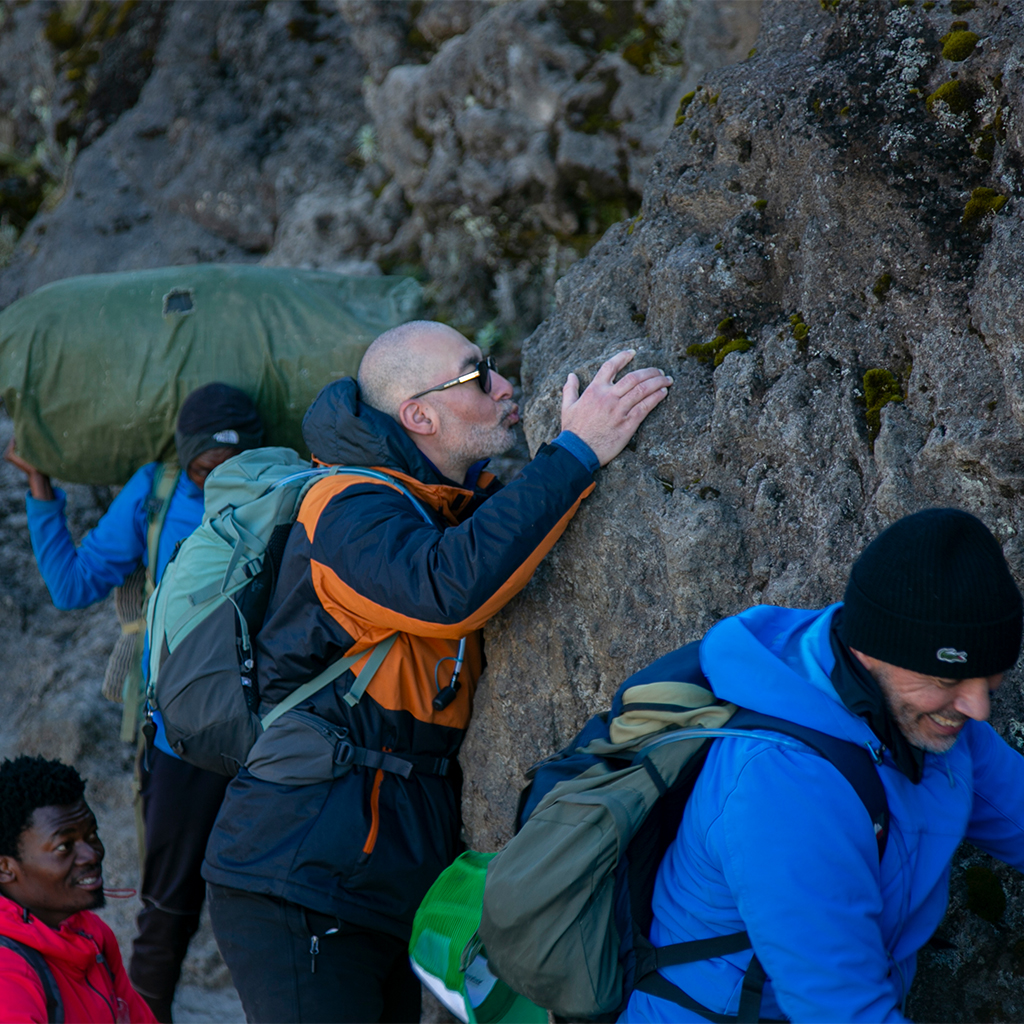
The 7-Day Rongai Route is the only route that approaches Mount Kilimanjaro from the northern side ne...
Nature hikes/walks
from $2,250 per person
View Details
6-Day Longai Route - Climbing Kilimanjaro
Rongai
8 Days

6-Day Longai Route - Climbing Kilimanjaro

5

Tanzania

The 6-Day Rongai Route is a popular and less crowded path to the summit of Mount Kilimanjaro. Approa...

Climbing
from $2,050 per person
View Details
7-Day Lemosho Route - Climbing Kilimanjaro
Lemosho
9 Days

7-Day Lemosho Route - Climbing Kilimanjaro

5

Tanzania

The 7-Day Lemosho Route is one of the most beautiful and rewarding routes for climbing Mount Kiliman...

Climbing
from $2,150 per person
View Details
7-Day Machame Route - Climbing Kilimanjaro
Machame
9 Days

7-Day Machame Route - Climbing Kilimanjaro

5

Tanzania

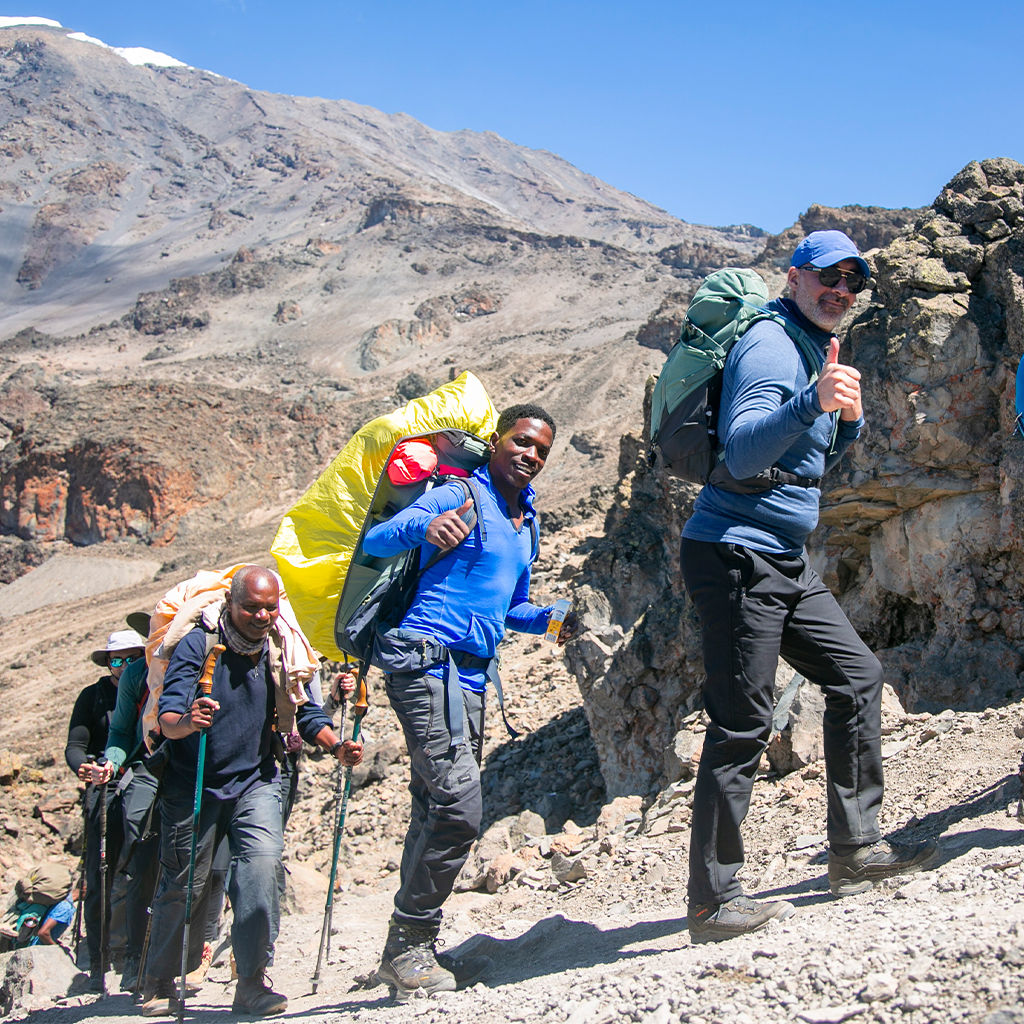
The 7-Day Machame Route is one of the most scenic and successful routes for climbing Mount Kilimanja...
Climbing
from $2,050 per person
View Details
6-Day Machame Route - Climbing Kilimanjaro
Machame
8 Days

6-Day Machame Route - Climbing Kilimanjaro

5

Tanzania

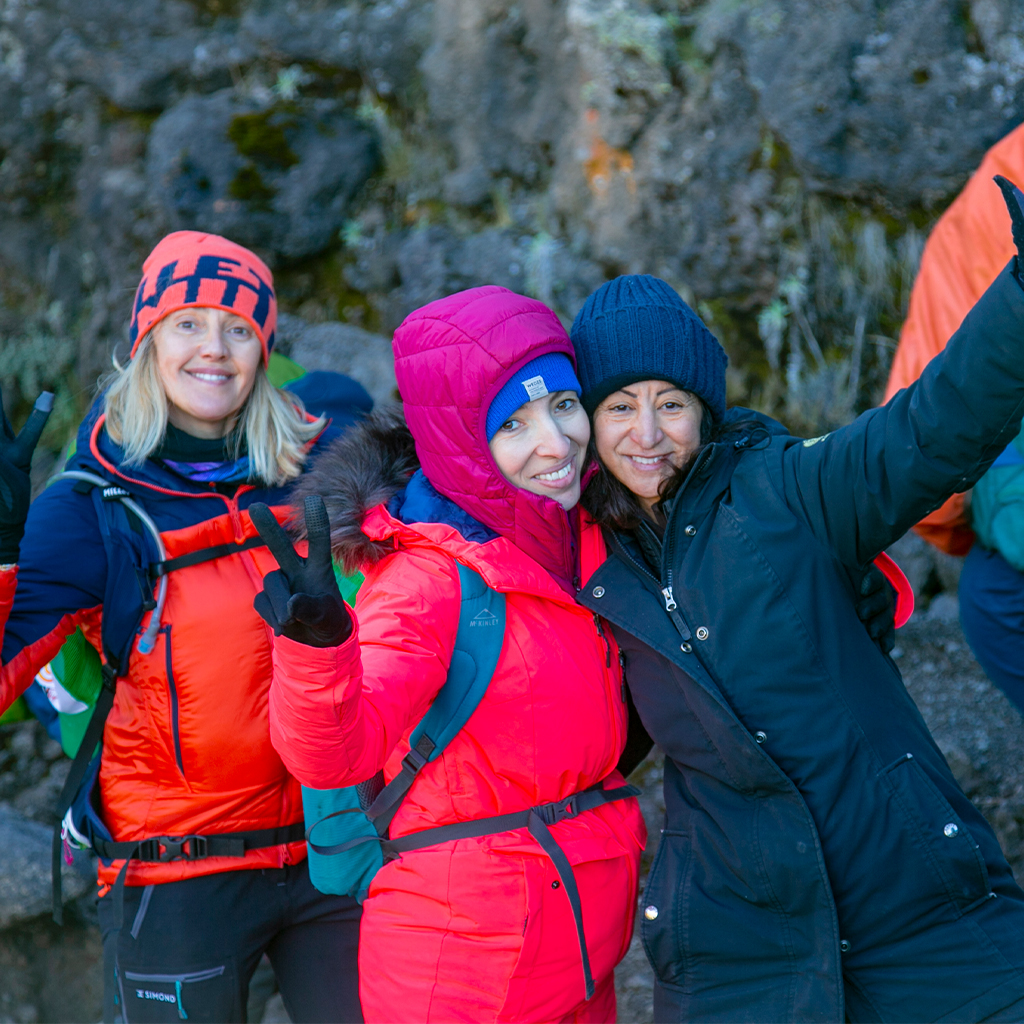
The 6-Day Machame Route - Climbing Kilimanjaro is one of the most popular and scenic ways to climb M...
Climbing
from $1,850 per person
View Details
6-Day Marangu Route – Climbing Kilimanjaro
Marangu
8 Days

6-Day Marangu Route – Climbing Kilimanjaro

5

Tanzania

The 6-Day Marangu Route – Climbing Kilimanjaro, often called the "Coca-Cola route", is the oldest pa...

Climbing
from $1,800 per person
View Details
Five Unique Climates

From Tropics to Arctic

Climbing Kilimanjaro is a spectacular hike through five climate zones

Farmland

800m - 1,800m

Cultivated slopes with local villages and agriculture.

Tropical Rainforest

800 - 3,000m

Lush jungle with monkeys, birds, and unique flora.

Grassland & Savannah

3,000 - 4,200m

Open landscapes with giant lobelias and groundsels.

Alpine Desert

4,200 - 5,000m

Harsh conditions, extreme temperatures, unique adapted plants.

Glacial Zone

5,000m+

Snow and ice cap summit, Arctic conditions.

Plan Your Adventure

Best Time to Climb Kilimanjaro

You can climb Kilimanjaro any time of the year, but the best conditions to climb Africa's highest peak are during the months June through mid-March (except November). February is the best month since the temperature is high and the chances of rainfall are low.

The rainy season starts from mid-March to June and in November. However, some people choose to climb Kilimanjaro in April or November since it is quieter and less crowded on the trails.

Jan
Feb
Mar
Apr
May
Jun
Jul
Aug
Sep
Oct
Nov
Dec
Excellent Good Poor (Rainy)

Information & Facts

5,895 m Highest free-standing mountain in the world
19,341 ft Summit elevation above sea level
5 Unique climate zones
95% Success rate with our guides

"Climbing Kilimanjaro is an unforgettable adventure. Of which people say: 'You should do those in your life!'"

Ready to Conquer Kilimanjaro?

Contact us today to start planning your once-in-a-lifetime Kilimanjaro trekking adventure.

Got Questions?

Kilimanjaro Climbing – Everything You Need to Know

From preparation and packing to altitude and accommodation — honest answers for anyone planning their first Kilimanjaro climb.

Mount Kilimanjaro is located in the northern part of Tanzania in the Kilimanjaro region. It is near the town of Moshi and Arusha city.

MEMORABLE VACATION AFRICA is registered in Tanzania under Memorable Vacation Africa Travel Ltd and in Tanzania under MEMORABLE VACATION AFRICA (T) Ltd. Memorable Vacation Africa Tanzania is 100% locally owned and holds all the necessary licenses to perform Kilimanjaro climbs, Tanzania safaris, and other tour activities.

There are at least six routes to climb Kilimanjaro, but we do recommend the 8-day Lemosho, 7-day Machame, and 9-day Northern Circuit routes. These routes offer the best summit success rates and beautiful scenery.

Yes, we encourage both solo and group travelers to sign up for our trips! If traveling on your own, we will put you with a bigger group of like-minded fellow travelers who will soon become your new friends. There's nothing quite like being stuck with each other for a week on a mountain to lead to strong bonds!

Kilimanjaro Group Trek

Yes, you need a Tanzanian visa to visit Tanzania, unless you're a national of one of the countries listed here. US, Canadian, British, and most European citizens can obtain their visas upon arrival at the airport in Tanzania. If you're a citizen of a different country and need a visa, please check with your embassy whether or not you can obtain a visa upon arrival.

That said, we don't recommend waiting till you arrive in the country to obtain a visa, as the queues can be long. We highly recommend applying for your visa online before heading to Tanzania. You can apply for an e-visa at www.immigration.go.tz. We recommend applying at least two weeks in advance of your trip. The cost of a Tanzanian visa is $50. US citizens, however, must purchase a longer, multiple-entry visa for $100.

Please note that in addition to a Tanzanian visa, you also need a passport that's valid for at least six months after your departure date.

No. There are no specific vaccine requirements for visitors to Tanzania. However, be aware that the Government of Tanzania does require proof of yellow fever vaccination upon arrival if you're traveling from a country with a risk of yellow fever.

You might want to talk to your doctor about getting the following vaccinations (which are standard in developed countries) before traveling to Tanzania: Hepatitis A and B, typhoid, tetanus, polio, MMR, and meningococcal meningitis.

As the situation with Covid-19 is an ever-changing one, please speak to us about this, and we'll advise you on the Government of Tanzania's current coronavirus rules and regulations.

Fit for Travel is a good resource for travel health advice.

Kilimanjaro requires no technical climbing experience, and any moderately fit person can summit the mountain. However, for most people, it will be one of the hardest things they have ever done. Learn how to prepare for Kilimanjaro.

This is an outdoor adventure in the African wild, so there will be no showers on the mountain. Warm water will be supplied in a bowl at camp, and you'll be able to wash your face and hands. For the rest of your body … we definitely recommend that you bring along some wet wipes and hardworking deodorant!

We recommend arriving at least one or two days before your climb starts. This allows important wiggle room should something crop up, like delayed luggage or a flight change. We also recommend allowing at least a couple of days after your climb before flying out. There are plenty of fun, local activities we can recommend for these buffer periods. We do, however, understand that traveling to Kilimanjaro can sometimes be a challenge, and we will fetch you from the airport on any day, at any time, before your climb.

Kilimanjaro is a safe climb when you give yourself enough time to acclimatize and travel with a tour operator that uses well-trained guides. Our guides are well-trained in knowing how to keep you safe on the mountain, and you should always listen to their advice.

To learn more about safety on Kilimanjaro, which is an important topic, you might like to read:

  • How we keep you safe on Kilimanjaro
  • Kilimanjaro safety
  • Kilimanjaro altitude sickness

Choosing between a safari in the wilds of Tanzania or a relaxing vacation on the white sandy beaches of Zanzibar isn't easy. Both are great options. Your week on the mountain will be exhausting – so if you're eager to recharge the batteries before the busyness of everyday life starts again, go with Zanzibar! But if you feel this might be the only time you come to visit Tanzania, we encourage you to go on a world-class safari with us.

Zanzibar and Safari

We aim to put together groups of six to 10 trekkers (or 12 maximum). This number doesn't include the guides, cooks, and porters – it's just the number of 'guests'. Our groups are typically made up of folks between the ages of 20 and 45, but there are plenty of exceptions to this, and we welcome all who are up for the challenge!

We have a packing list of all the clothing and gear you need for your climb.

Note that two of the most critical pieces of equipment you need to climb Kilimanjaro are a pair of warm, waterproof hiking boots and an insulated synthetic or down jacket. What you don't own can be rented from a mountaineering store in Arusha, Tanzania. We provide you with four-season sleeping bags and sleeping mats.

The tipping ceremony is an important custom that takes place at the end of every Kilimanjaro climb. It involves singing, dancing, informal speeches, and the handing out of tips to all of the mountain crew (guides, cook, and porters). These tips are an important source of supplementary income for the mountain crew.

Please familiarise yourself with the Kilimanjaro tipping ceremony and the reasons behind it so that you can come prepared.

Mountain Accommodations

During the trek, Memorable Vacation Africa climbers sleep in four-season, dome-style mountain tents, with two people per tent. Everyone eats in the mess tent. There's also a private Memorable Vacation Africa toilet tent.

The higher you climb, the fewer oxygen molecules you breathe in per breath. Your body finds it hard to function properly with less oxygen, and so needs to be given adequate time to adapt to each new jump in elevation. Altitude sickness is the body reacting badly to being made to go too high, too quickly. Symptoms of altitude sickness include nausea, vertigo, headaches, and sleeplessness. Severe altitude sickness can be fatal. This is why we take it so seriously, and so should you.

Please read more about Kilimanjaro altitude sickness to help you understand how to avoid and mitigate it. We recommend visiting your doctor before heading to Kilimanjaro to discuss your upcoming adventure.

Kilimanjaro requires no technical climbing experience, and any moderately fit person can summit the mountain. However, you should not underestimate the mountain. We suggest you start with your physical training as early as possible.

While physical training is very important, the biggest challenge for anyone climbing Kilimanjaro is the effects of altitude, which seem to be mostly unrelated to fitness, age, or gender. It's always a good idea to visit your doctor before a trip of this nature.

Tanzania has three major international airports:

  • Kilimanjaro International Airport (JRO)
  • Zanzibar International Airport (ZNZ)
  • Dar es Salaam International Airport (DAR)

The latter is the most convenient for Kilimanjaro, as it's almost 51km away from the City of Arusha.

In addition to flights to Tanzania, you may consider flights to Nairobi in Kenya, which is only a five-hour shuttle bus ride to the Kilimanjaro region, or a one-hour plane ride to JRO. Note, however, that by choosing to fly to Kenya, you'll need to acquire an extra visa.

In deciding which flights to book, you should take your full trip into consideration. For example, if you would like to spend a couple of days in Zanzibar after climbing Kilimanjaro, it might be best to book one-way tickets from your home to JRO for the climb, from JRO to ZNZ after the climb, and then from ZNZ back to your home.

Our cook provides you with breakfast, lunch, and dinner each day spent on the mountain. He also provides you with snacks. We can accommodate vegetarian and vegan diets. For those with other special diets, please contact us to discuss what we can or cannot do.

Your Kilimanjaro guides, cook, and porters are your greatest asset on the mountain. Quality mountain crew members make for a wonderful time on the mountain, while a mediocre crew can actually put your life in danger. Each of our experienced guides is licensed by Kilimanjaro National Park, speaks fluent English, can perform basic first aid, and is trained in dealing with acute mountain sickness (AMS).

Typically, each of our groups has one guide per two or three climbers, and each climber has three porters. Porters carry all of the team's gear, tents, cooking supplies, and water. You'll come to respect these guys by the end of Day 1 of your climb – each porter carries about 20 kg (44 lb) of kit on their back up the mountain!

We discuss the different members of the mountain crew and each one's role in detail in our blog post Kilimanjaro tipping.

Kilimanjaro can be climbed all year round. That said, the best months to climb it are:

  • June to October
  • December to March

These are the warmest and driest months. July, August, and September tend to be the busiest months on the mountain. You can learn more in The best time to climb Kilimanjaro.

Another factor to take into consideration is whether or not you want to do a full moon climb, which is stunning!

On six of the seven Kilimanjaro routes, you sleep in tents provided by your tour operator. Only on the Marangu route, the original Kilimanjaro route, do you sleep in communal, A-frame huts.

We get asked this a lot. And it's a great question. Different Kilimanjaro operators offer different levels and quality of service.

Kilimanjaro summit attempts begin at midnight. There are a few reasons for this, including:

  • It's hard to sleep at such a high altitude.
  • There's a lot of hiking to get done in one day, as you still need to descend a good portion of the mountain after reaching the summit.
  • We aim to reach the summit around sunrise, which offers a glorious view of the surrounding landscape. The perfect reward for your many days of hard trekking!

Still have questions?

Our Kilimanjaro experts are here to help you plan your perfect climb

Get support